Robots in elder care offer practical support, companionship, and safety features that can extend independence. Their use spans reminders, mobility aid, mood-aware interactions, and continuous monitoring, all framed by ethics and privacy safeguards. Effectiveness depends on aligning use cases with care settings, designing for user friendliness, and fostering collaboration with caregivers. Yet questions remain about balancing human connection with automation, governance, and trust, inviting further examination of outcomes and safeguards as systems evolve.
What Robotics Bring to Elder Care: Practical Help and Companionship
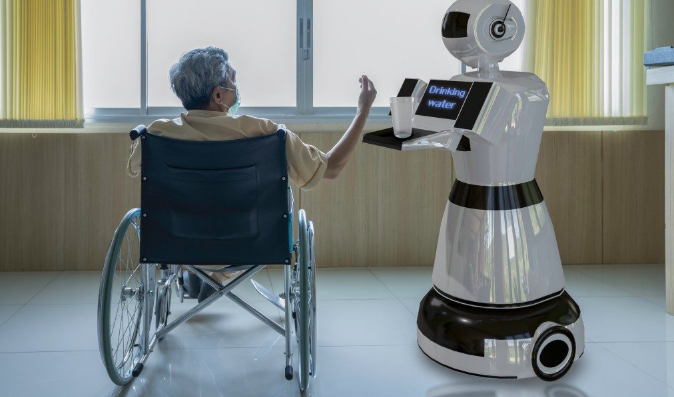
Robotics in elder care offers both practical support and social engagement, bridging daily functional needs with meaningful companionship.
The analysis notes how robots provide practical assistance—reminders, medication prompts, mobility aid, and routine monitoring—while fostering companionship benefits through responsive interaction, mood sensing, and adaptive communication.
Interdisciplinary Perspectives reveal gains in autonomy, reduced caregiver load, and a humane, person-centered approach to care.
See also: arcenturf-turf
Evaluating Safety, Ethics, and Privacy in Robotic Elder Care
As acknowledged in the prior discussion of practical help and companionship, integrating robotic systems into elder care raises important questions about safety, ethics, and privacy. Empirical analysis reveals robust safety protocols, transparent governance, and continuous risk assessment.
Interdisciplinary perspectives emphasize privacy protection and bias mitigation to prevent discrimination, ensure dignity, and foster trust while supporting autonomous decision-making and caregiver collaboration.
Choosing the Right Robot: Use Cases, Features, and Care Settings
Choosing the right robot for elder care requires a careful alignment of use case, features, and care setting, guided by evidence on effectiveness, user comfort, and workflow integration. The interdisciplinary assessment weighs robot maintenance and user training against practical demands, ensuring scalable adoption. Clear criteria identify suitable configurations, minimize risk, and support dignified independence across diverse environments and care plans.
Balancing Human Touch With Automation: Policy, Training, and Humane Design
Balancing human touch with automation requires careful alignment of policy, training, and humane design to preserve dignity and person-centered care. Researchers observe how caregiver autonomy informs workflow, while governance structures guide robot governance and accountability. Interdisciplinary evaluation highlights ethical tensions, training needs, and patient preferences. Designs emphasize empathy, transparency, and adaptability, offering freedom through choice, trust, and human-centered, responsible robotics integration.
Frequently Asked Questions
How Affordable Are Robotic Solutions for Long-Term Care?
The answer shows affordable robotics reducing long term care costs, though price variation persists across settings. Across disciplines, empirical data suggest initial investment may be offset by labor savings, improved safety, and enhanced resident well‑being, supporting informed, freedom‑focused choices.
Can Robots Support Acute Medical Emergencies in Home Settings?
Emergency triage, home monitoring: robots can assist in recognizing and relaying critical data, but do not replace human clinicians in acute home settings; their role is supportive, interdisciplinary, empirical, and empathetic, enhancing timely decision-making while preserving patient autonomy.
How Do Caregivers Manage Robot Malfunctions or Errors?
Caregivers implement structured protocols for fault diagnosis and safe shutdown, prioritizing patient comfort. They emphasize caregiver training and error recovery readiness, supported by interdisciplinary teams, empirical data, and ethical considerations that respect autonomy while fostering dependable, adaptable home robotics.
Will Robots Reduce the Need for Human Caregivers?
Roughly, robots will partially reduce, not eliminate, human caregiving needs. A grandmother’s watchful granddaughter recalls a robot’s steadiness; data shows modest efficiency gains. Still, robots ethics and user acceptance shape adaptable, interdisciplinary, empathetic care for freedom-seeking audiences.
How Are Robots Personalized to Individual Cultural Preferences?
Robots tailor interactions through cultural adaptation and user interface localization, aligning prompts, rituals, and expressions with individual norms. They evaluate preferences empirically, collaborate across disciplines, and respect autonomy, supporting diverse, freedom-oriented elder care without imposing uniform norms.
Conclusion
Robotics in elder care emerge as pragmatic partners and reflective mirrors of human needs. Across domains—mobility, monitoring, social connection—technology complements, never replaces, compassionate caregiving. Safety, ethics, and privacy must be woven into design and governance, with ongoing risk appraisal. By aligning use cases with care settings and fostering caregiver collaboration, robots can reduce burden while preserving dignity. Coincidence reveals that trusted machines and trusted humans advance together: empirical evidence and empathic practice converging to sustain humane, person-centered care.